large image
product

McArthurGlen Outlets | Trends 2026

McArthurGlen were keen to explore the process of AI Production, and how that could support them in creating brand-free ensemble assets for a variety of applications & platforms.


The Brief

In 2026, McArthurGlen commissioned Lambda to create a fully AI-generated campaign. This would explore the key Spring/Summer 2026 fashion trends across womenswear and menswear. The campaign needed to balance aspirational fashion imagery with the realism and consistency of a premium retail environment, resulting in assets that felt both editorial and commercially credible.

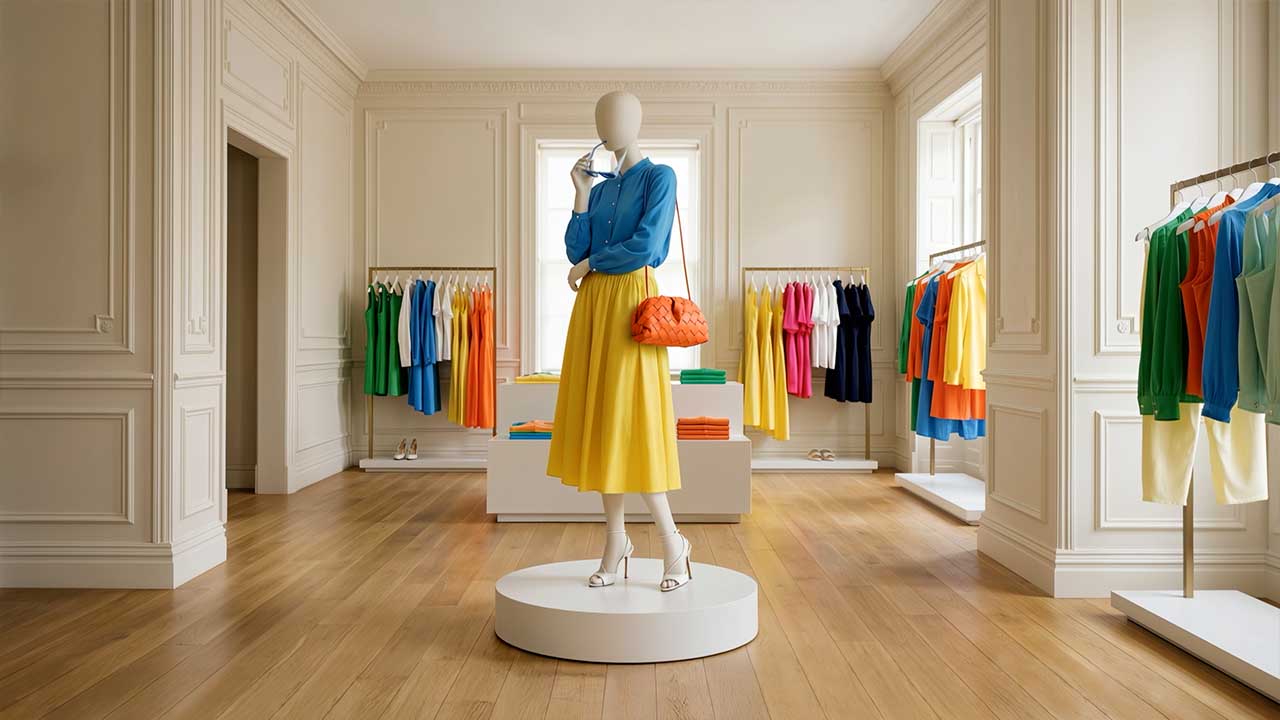
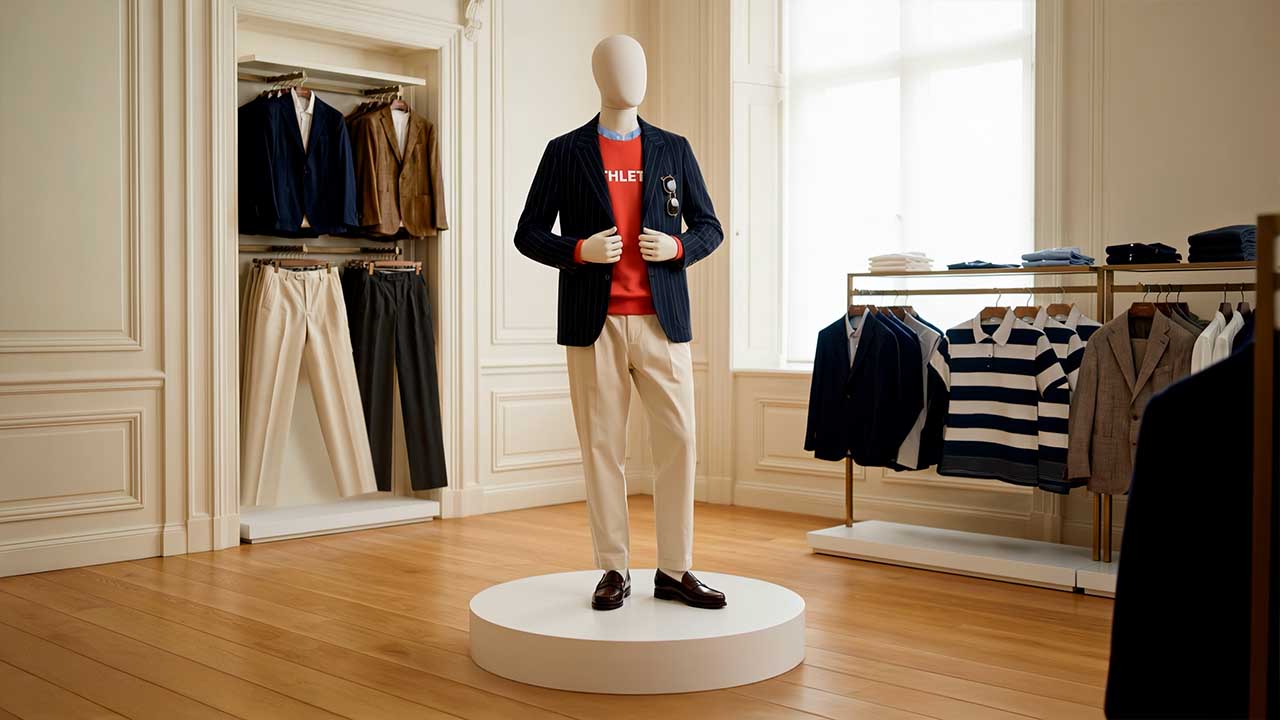
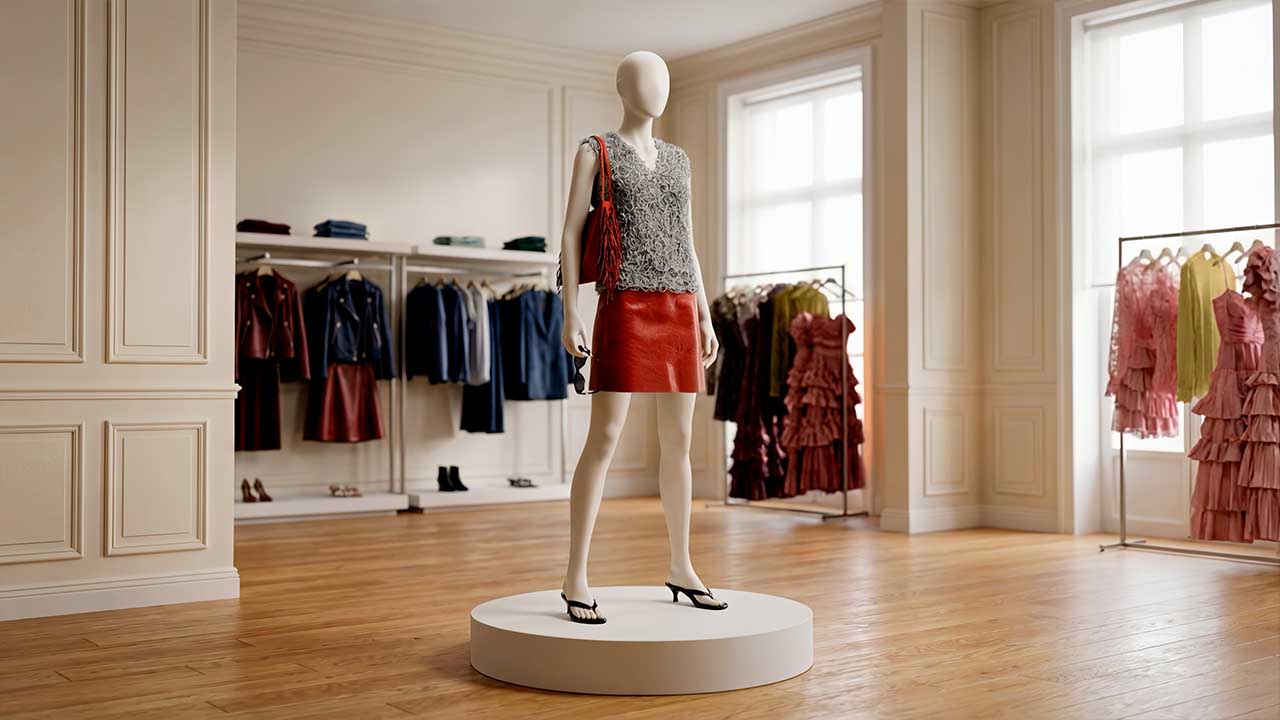
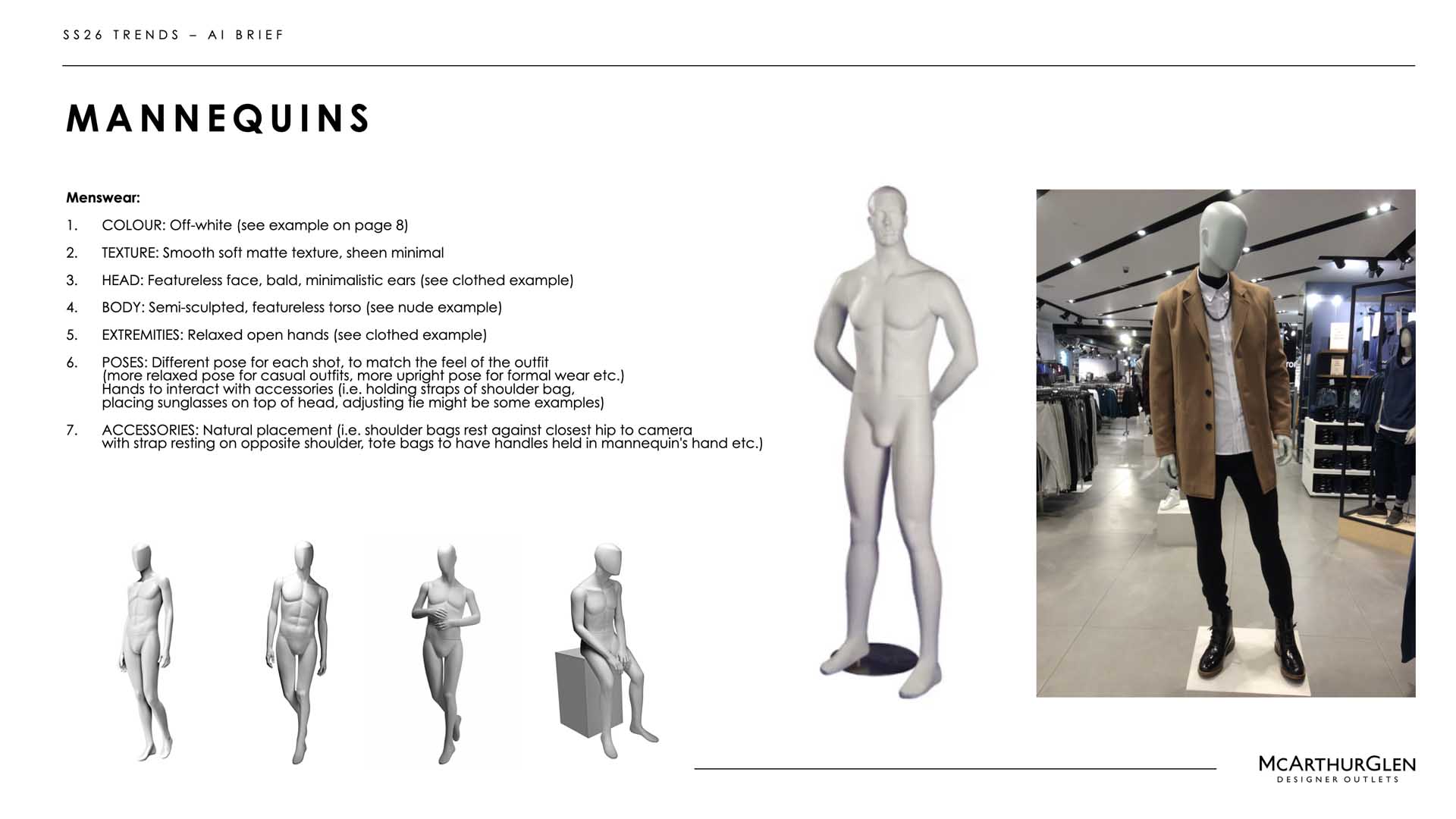
A key creative requirement was in creating a consistent visual aesthetic across a different creative elements; the mannequin, the environment, and the cinematography. These had to carry across a number of deliverables, and still feel like a coherent suite of films. 

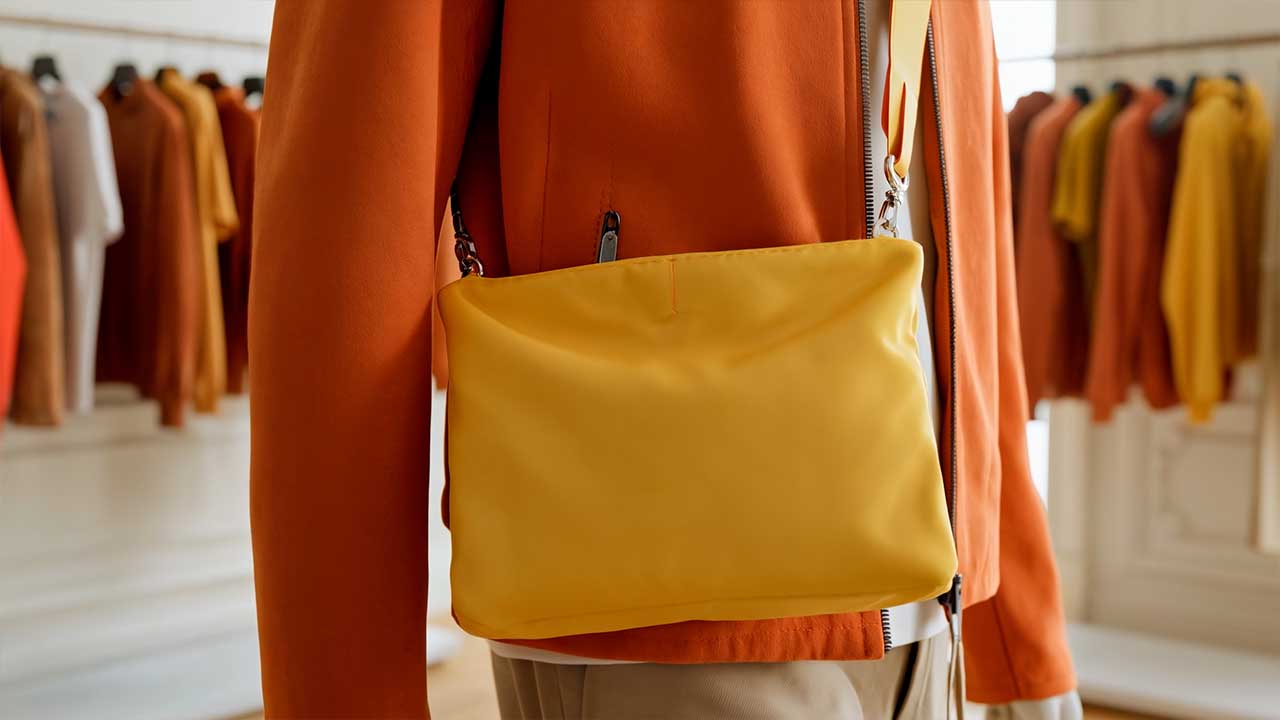
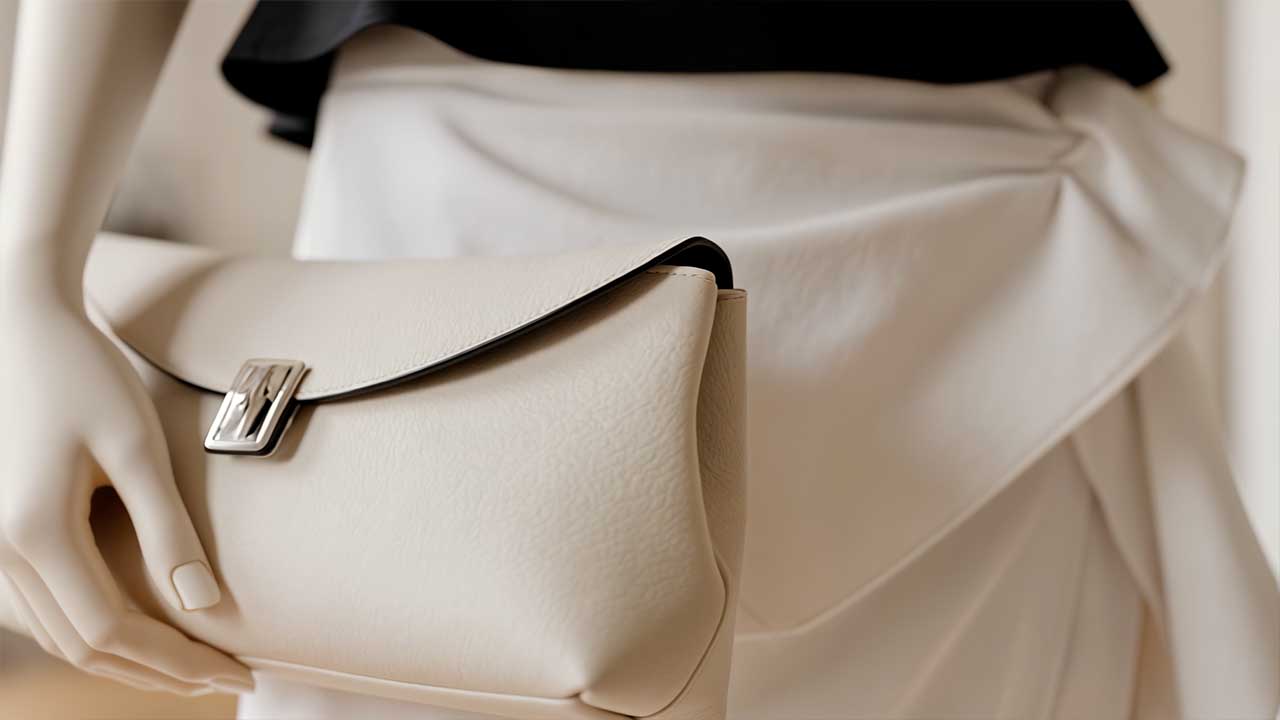
Alongside full-look hero moments, the films were required to explore texture, fabrication and accessory detail through close-up macro cinematography. Despite the digital production, we wanted to communicate the tactile quality of the garments while adding movement and depth to the campaign visuals.

Lambda Films was able to direct the entire creative process. For these projects, we operate as a full-service AI video production company. We draw on our decades of experience and expertise working in traditional, commercial video production. It’s not just about prompting visuals; good AI production requires a knowledge of cinematography, technical specs and the edit. 
McArthurGlen AI Video Project for SS2026 Trends by AIvideo production company, Lambda Films.

Production

Dressed For Success

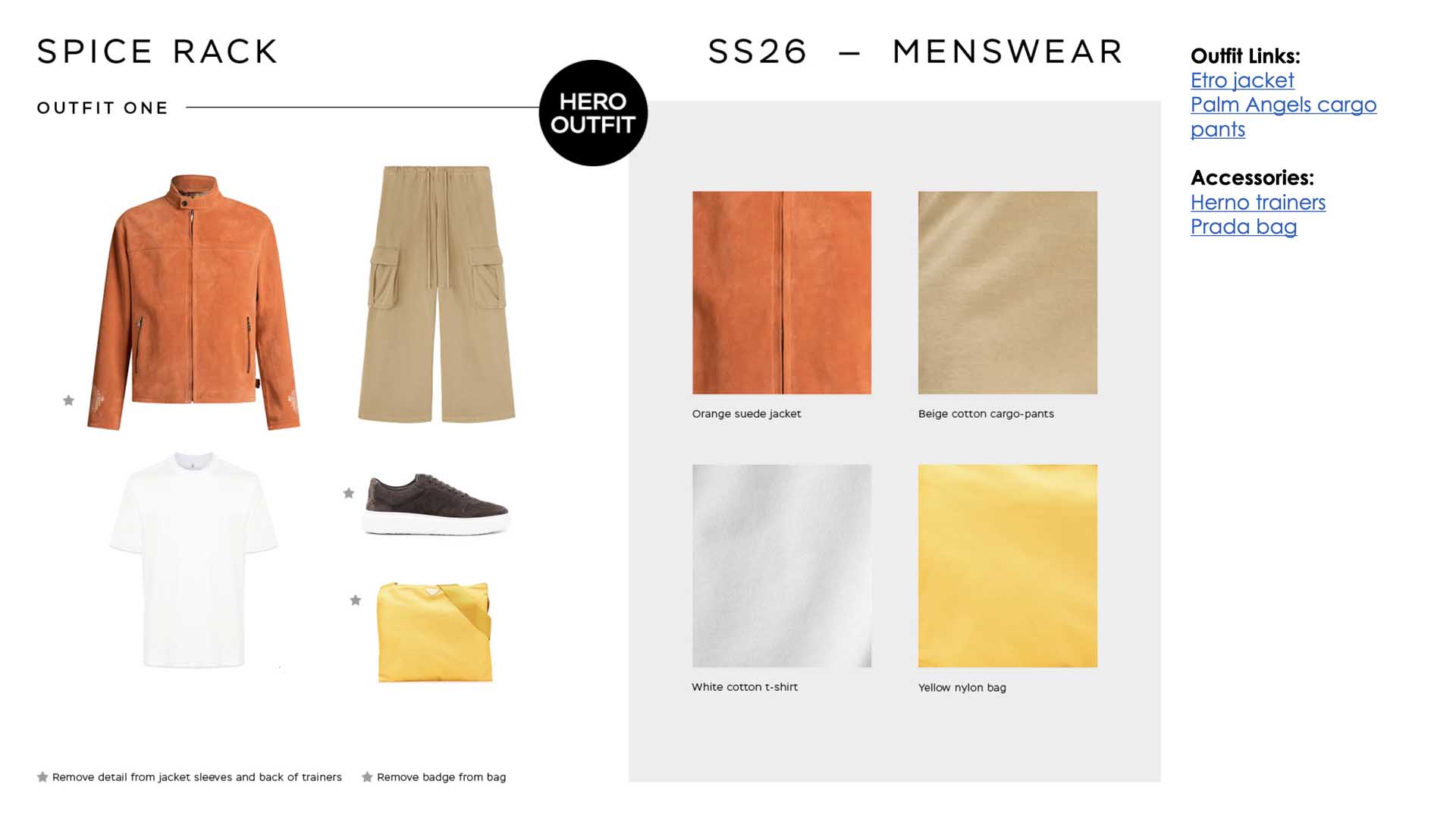
AI production becomes significantly more efficient when the visual direction is clearly defined and approved upfront. Without that alignment, the process quickly turns into frustrating iterative guesswork, and burning through credits. Thankfully for us, McArthurGlen came to the project with a strong creative vision and clear reference material. It covered every key visual component; from mannequin styling and retail environments through to the fashion ensembles themselves. While the client defined the styling language, (thank god, have you seen our fashion sense?) we developed the cinematography and lighting to create a coherent visual system that would be replicated across all films.

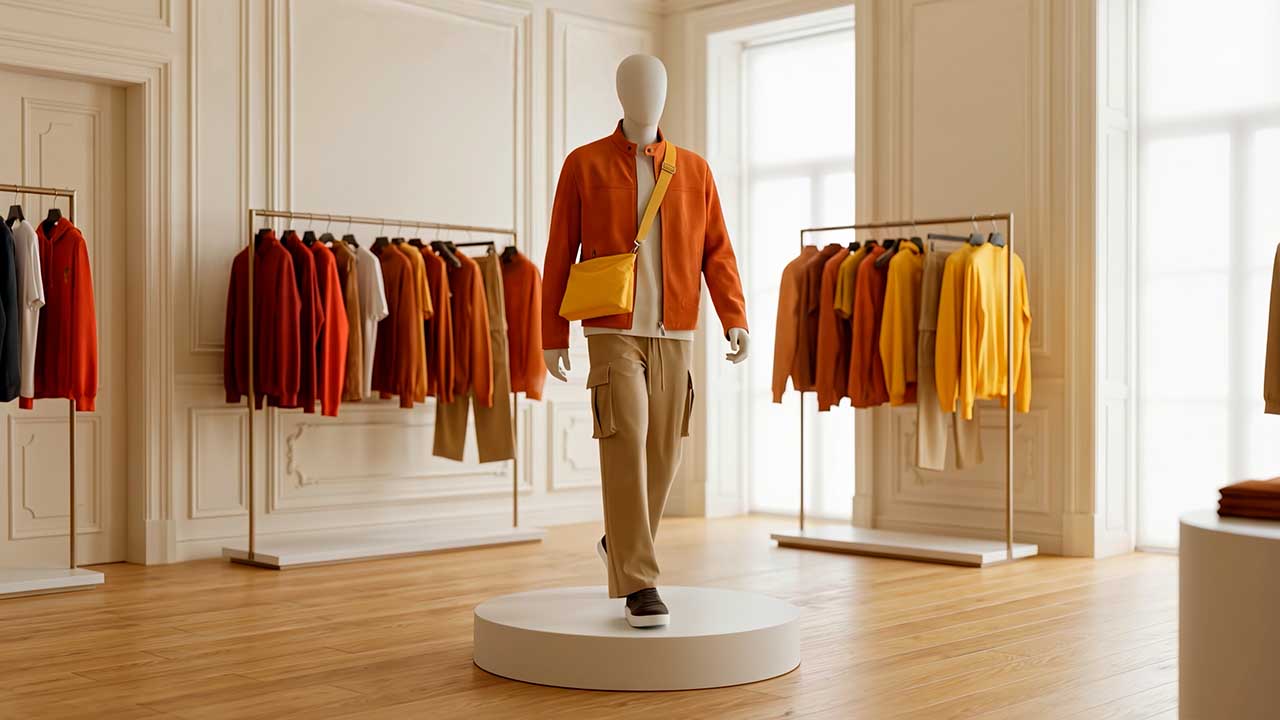
The first stage of production focused on generating a suite of high-quality base images. In nerdy film speak, these were our establishing shots. Using McArthurGlen’s reference imagery, we trained Google’s Nano Banana to reproduce the mannequin characteristics, wardrobe styling and retail architecture across multiple scenes. Nano Banana’s strong prompt adherence allowed us to avoid over-generation. We were pleased to quickly generate sixteen viable compositions per trend direction. This gave the client a broad but controlled selection to review.

Selected frames then entered a refinement pipeline. We used Midjourney for our initial AI passes to resolve large artefacts and inconsistencies. This was then followed by a more traditional retouching workflow, where lighting continuity, texture fidelity, garment detailing and material realism were carefully polished by hand.

Generating Motion

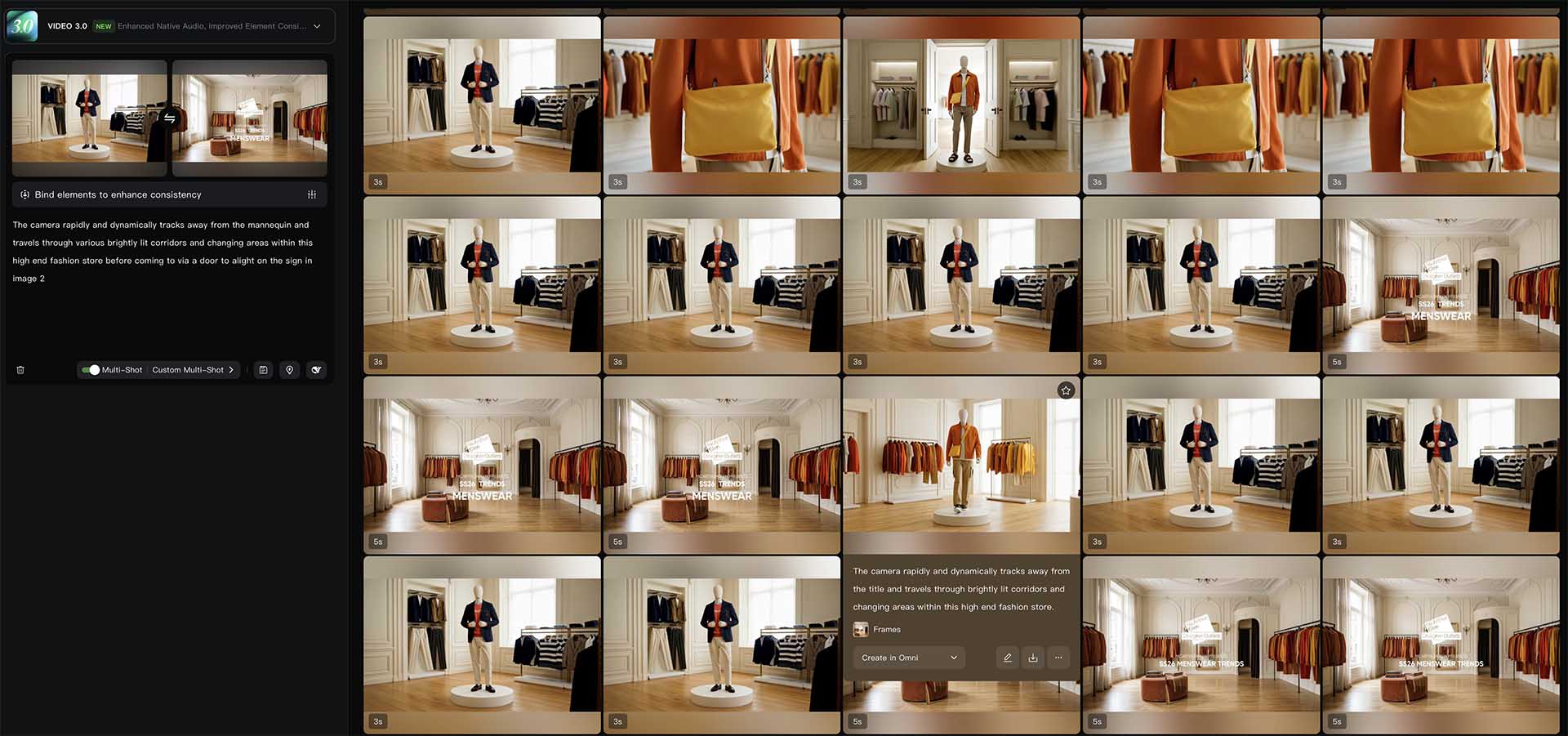
Once approved, these hero frames became the visual anchors for motion generation. We used Kling’s multi-shot functionality to produce a range of macro and close-up cinematic inserts focused on fabrics, silhouettes and material movement. These outputs were then edited the good ol’ fashioned way in Premiere Pro, allowing our Post Production team to shape pacing, rhythm and shot progression with greater precision.

For the dynamic transition sequences travelling through the retail spaces, we used Kling’s first-frame/last-frame interpolation tools. This enabled us to create seamless AI-generated camera moves that connected the establishing shots into fluid transitional moments, giving the viewer momentum and spatial continuity throughout the piece.

Finally, all approved clips were processed through Topaz Video AI for upscale and enhancement to 4K delivery resolution. This not only improved overall image fidelity, but also provided sufficient resolution overhead for high-quality 9:16 social reformats without compromising composition or sharpness.