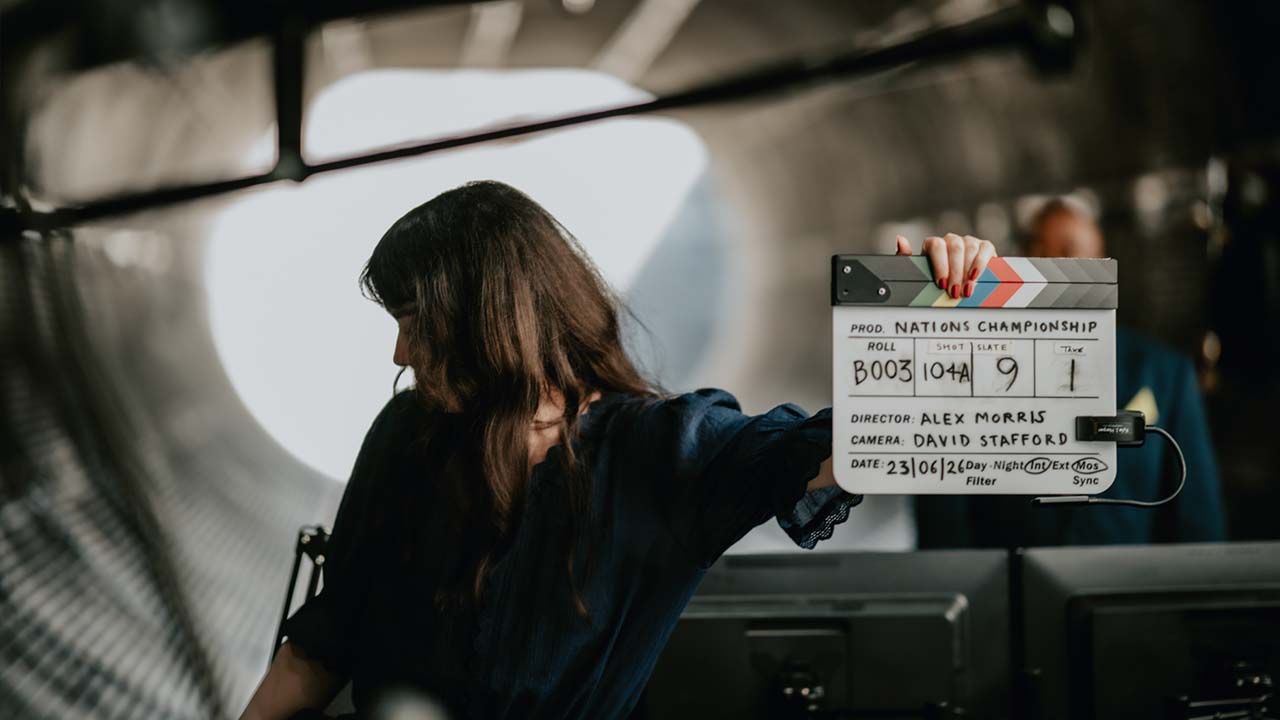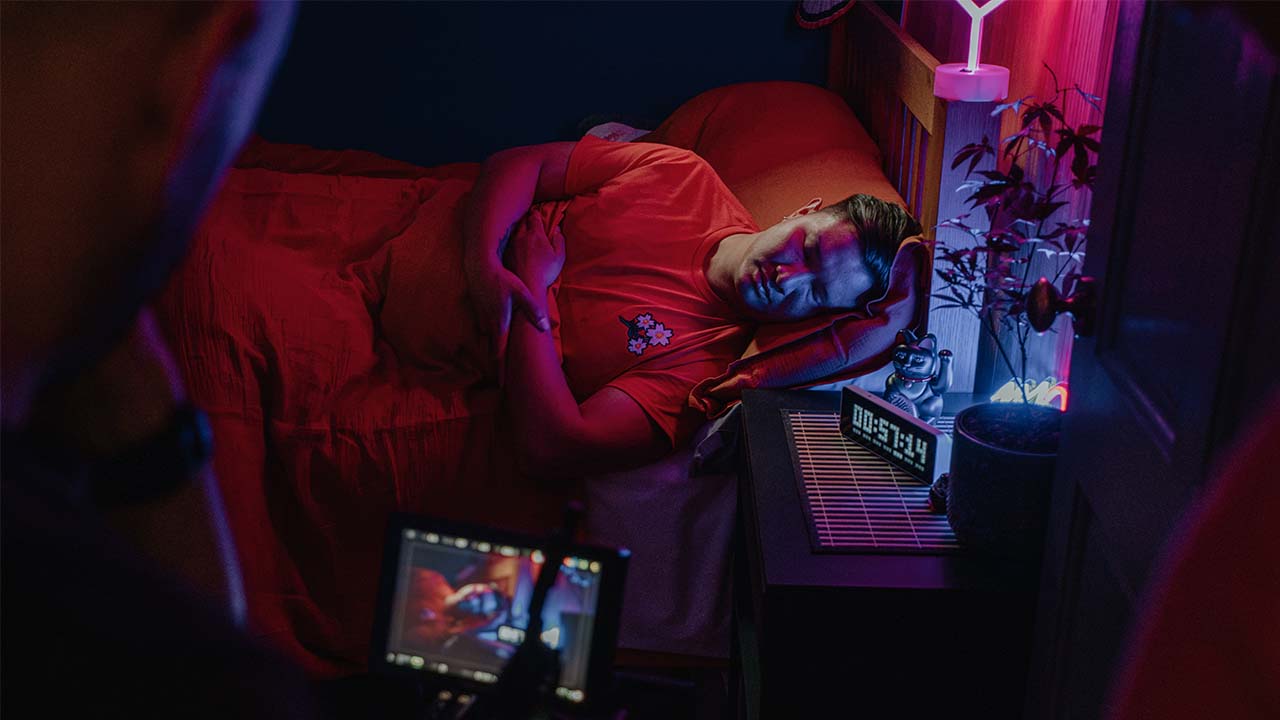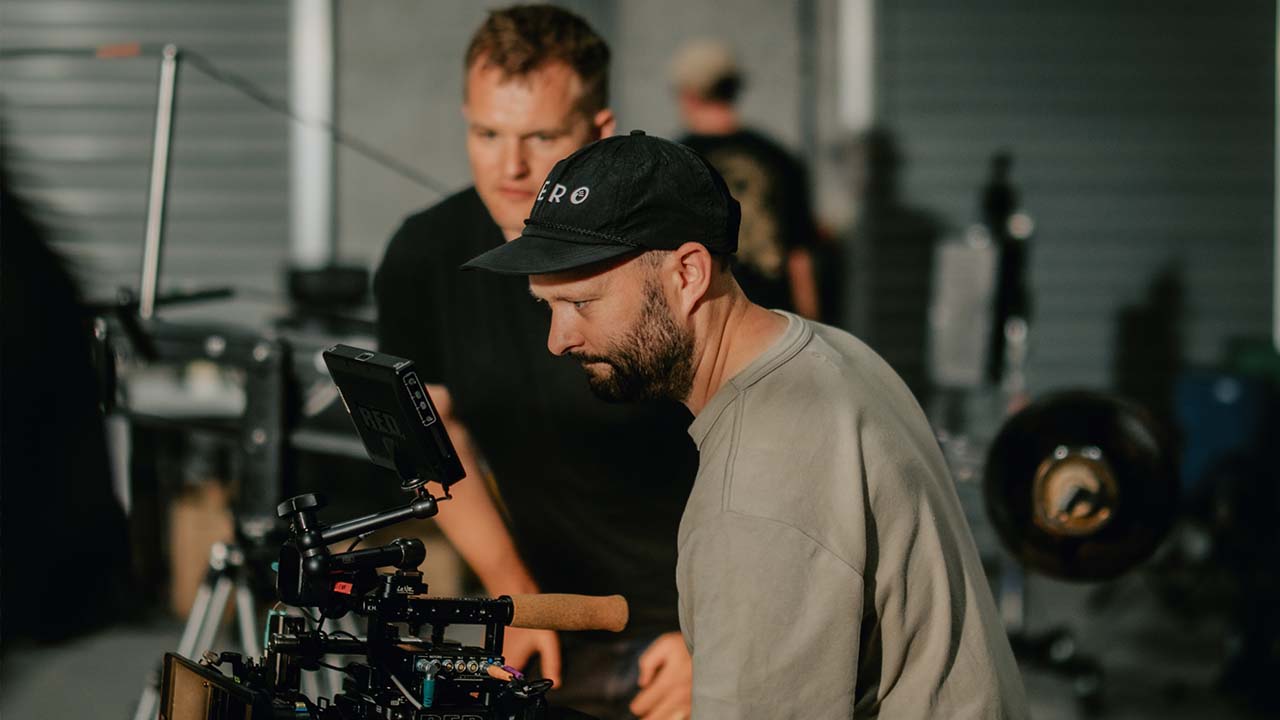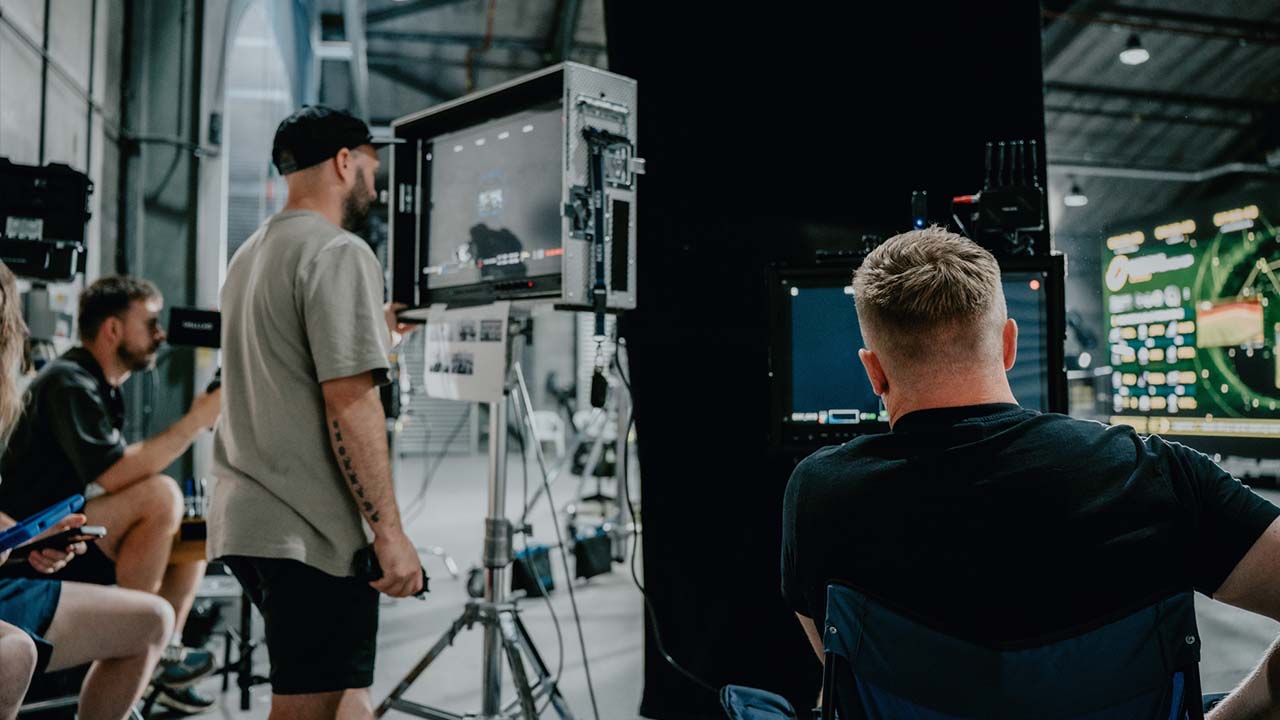
There’s something special about being trusted to launch a world first. There’s something even more special about pulling it off against the clock.
Bringing together twelve of the world’s biggest rugby nations in a brand new competition deserved more than a standard launch campaign. It needed to capture the anticipation, pride and ritual that rugby fans know so well, that feeling before kick-off, when everything else stops for 80 minutes.
There was just one catch. We had eight days from commission to the first day of filming. Challenging, for sure. Impossible? Not on our watch.
The Brief
Launching a new sporting competition is one thing. Launching one that spans two hemispheres, twelve nations and multiple time zones is something else entirely.
The Nations Championship team wanted a hero campaign that captured the scale of the tournament without relying on match action alone. Instead, the brief focused on the universal feeling every rugby supporter recognises, the anticipation before kick-off.
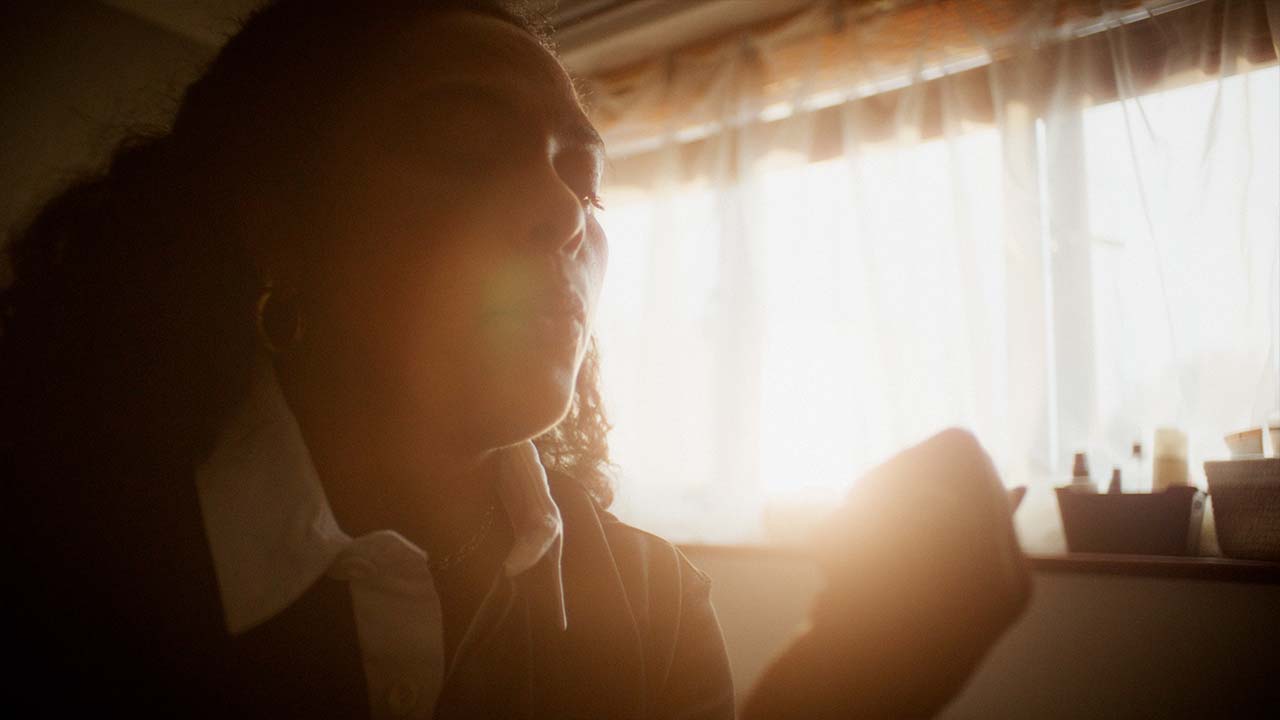
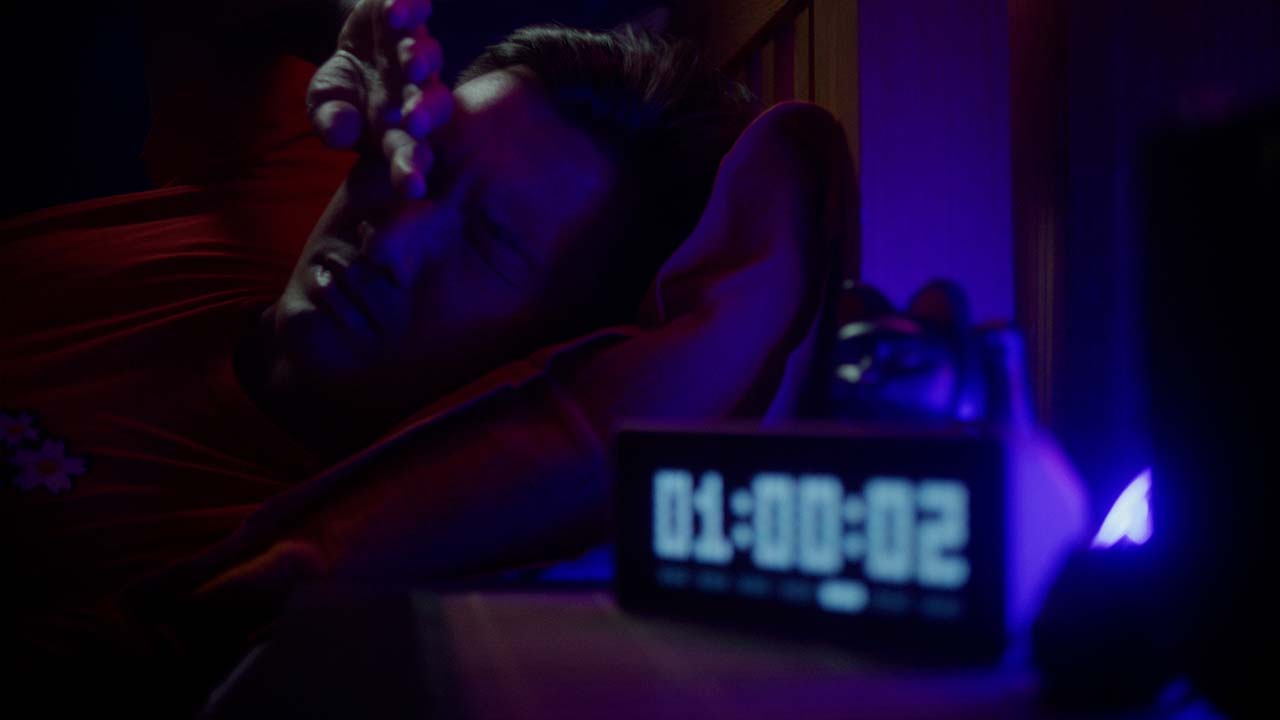
From early mornings in New Zealand to late nights in Argentina, the campaign needed to celebrate the shared rituals that bring fans together. Different countries, different routines, but all building towards exactly the same moment. One particular line in the brief captured the essence of the concept; “time zones may divide them, but excitement connects them.”
The idea also needed to establish a visual identity that could extend beyond the hero film into social content, out-of-home and future campaign activity, introducing audiences to a brand new international competition with enough flexibility to grow alongside it.
The Creative Approach
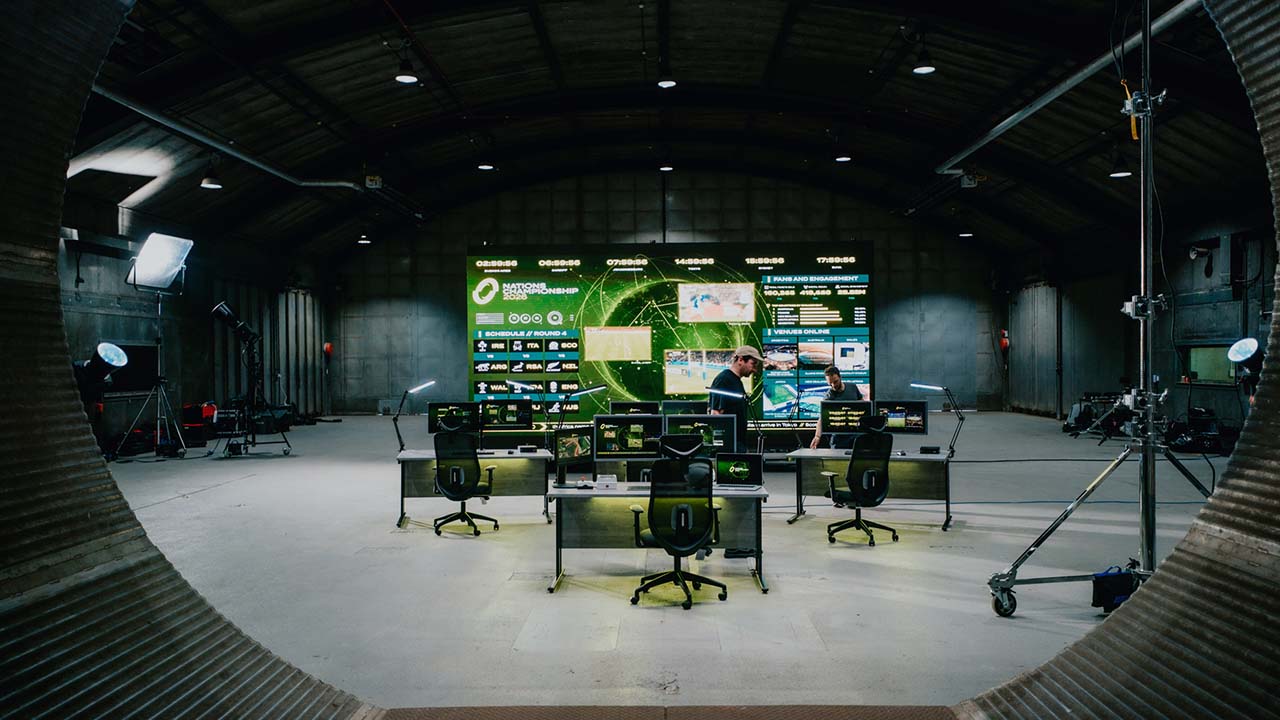
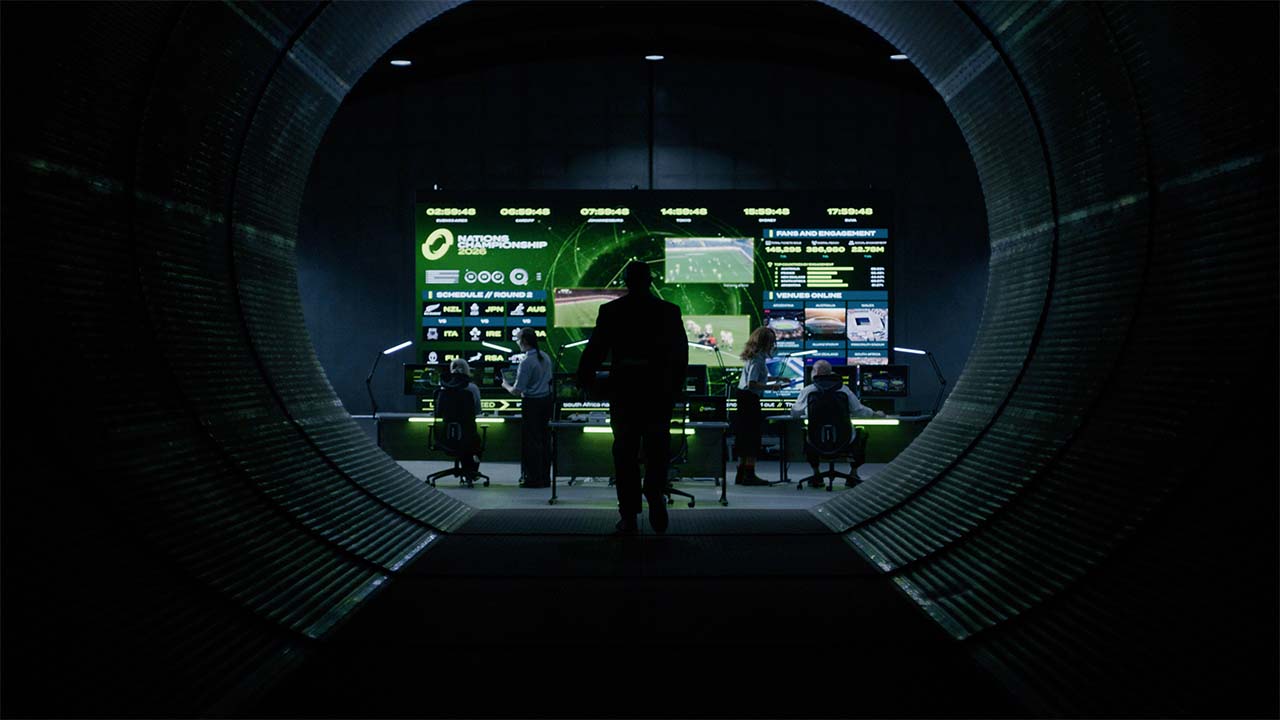
The starting point in the brief, was a room full of clocks. It captured the idea of different time zones counting down to the same kick-off, but it never quite felt like it belonged in the world of the film. During development we kept coming back to the same question, ‘What’s actually happening in this room?’ The answer became the maestro. By introducing a single character quietly orchestrating the countdown, the campaign suddenly had a narrative. It wasn’t about reinventing the concept, it was about giving it a stronger cinematic identity while protecting the original creative.
Instead of clocks simply existing, someone was now controlling them. A mysterious maestro sits at the centre of the tournament, triggering alarms and notifications around the world as kick-off approaches. It gave the film a clear narrative and made the countdown feel intentional, without changing the core idea behind the campaign.
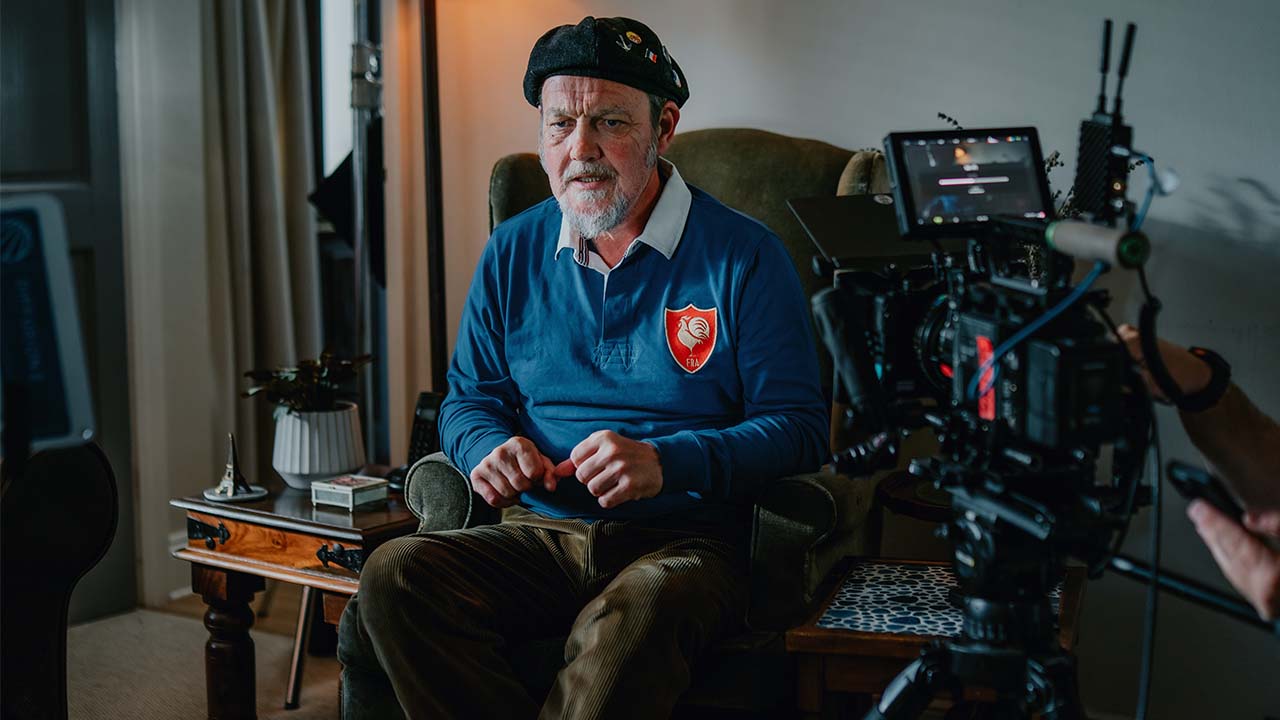
With our narrative in place, the other big challenge was geographical; representing 12 different nations in one shoot… With only eight days between commission and the first shoot, filming overseas wasn’t realistic. We even explored virtual production for a while, but in the end we felt we’d get a more convincing result by leaning into practical filmmaking.
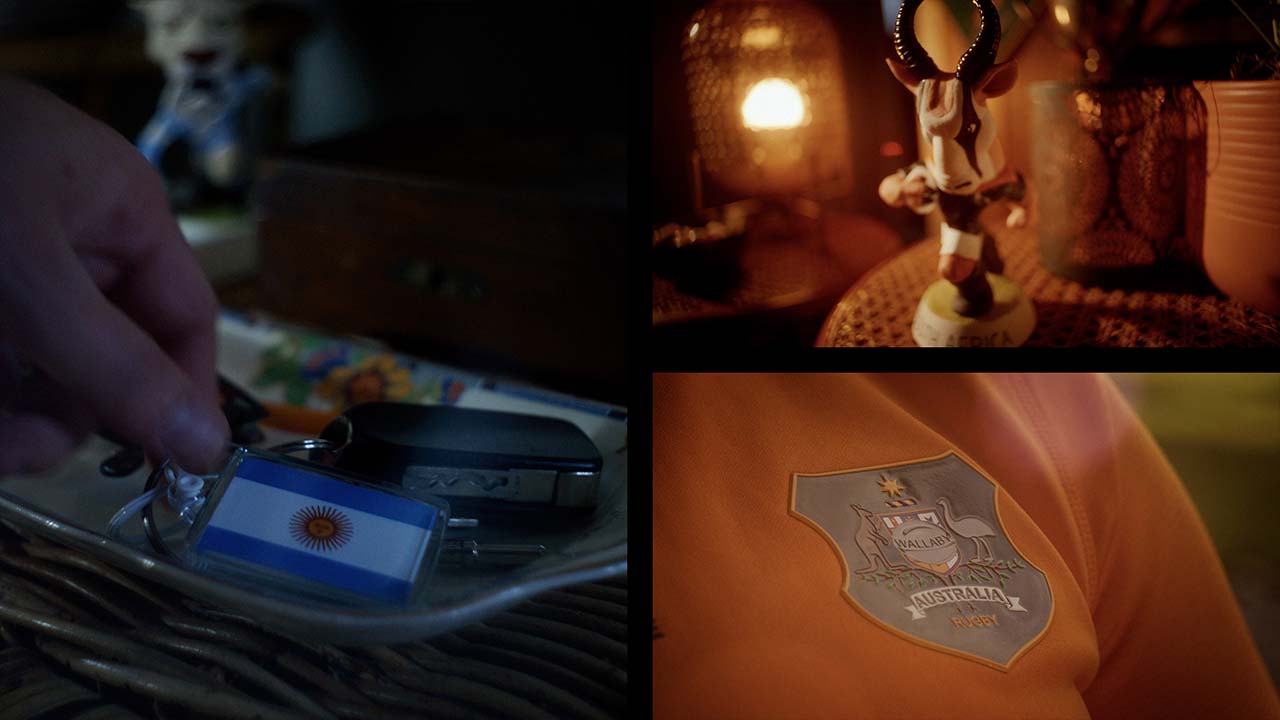
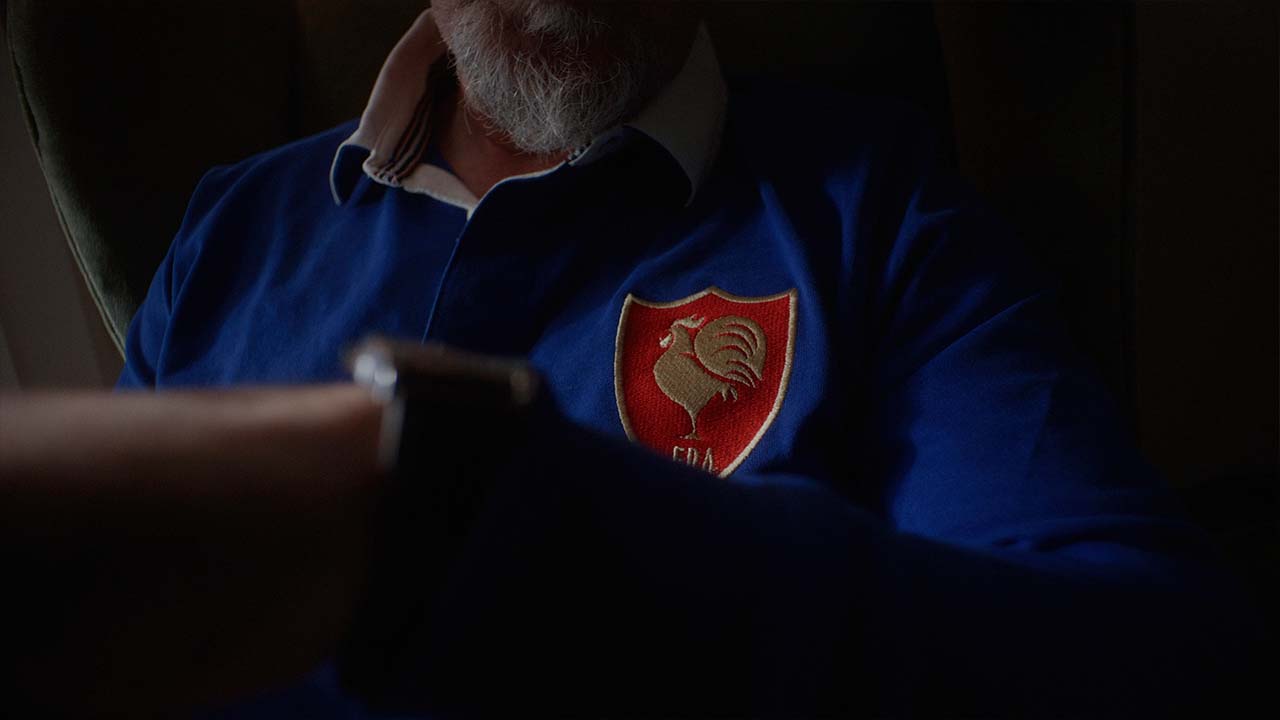
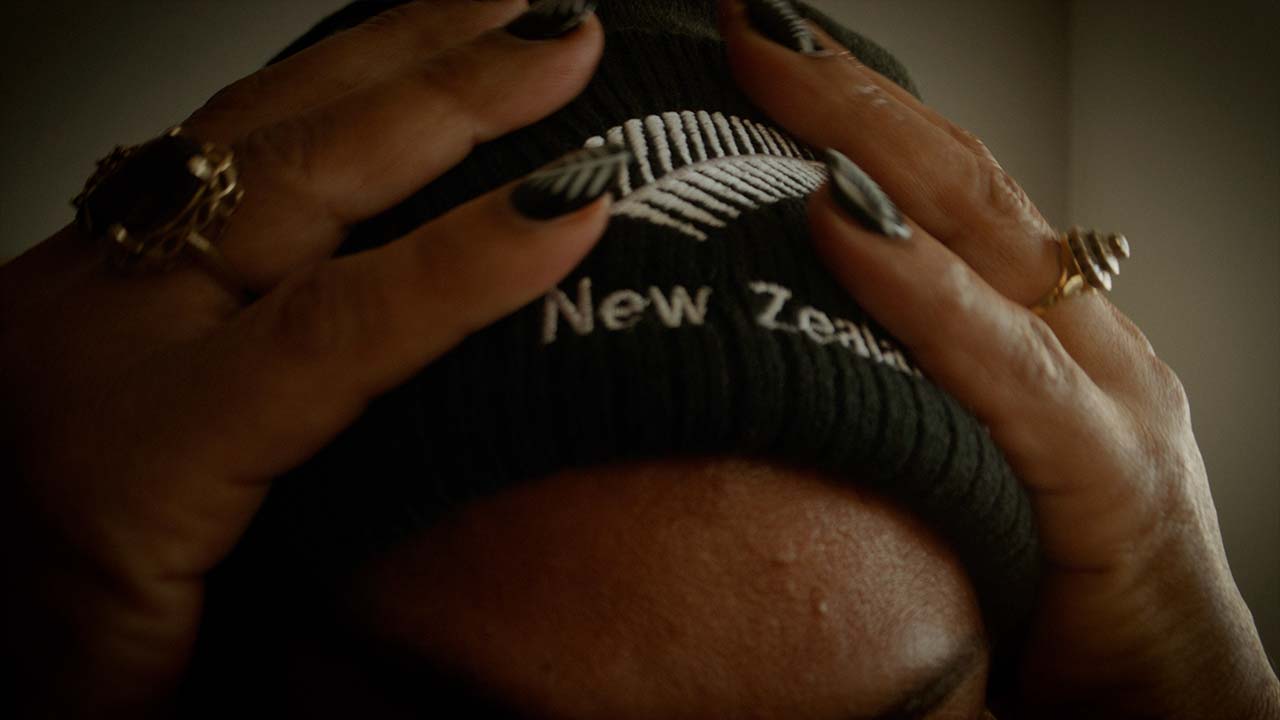
That meant asking every department to do a little more. Wardrobe sold the supporters. Art direction added just enough local character. Lighting shifted the time of day and the feel of each location. We also kept the camera in close. By concentrating on people’s routines instead of wide establishing shots, each location only needed to convince you for a few seconds, and that was enough.
Looking back, the biggest creative contribution probably wasn’t adding ideas, it was knowing which ones to leave alone. The brief already had a strong central thought. Our job was to sharpen it, solve the practical problems and make sure the finished film still felt like the one we’d pitched, just better.