How Streaming Changed The Film Industry
Intro
I still remember my trips to Blockbuster. You’d wander the aisles for twenty minutes, argue over what to watch for ten, and inevitably come home with something completely different to what you intended. But, that entire ritual has disappeared within a generation.
Today, you don’t choose films from a shelf. You largely choose from the films a shady algorithm decides to place in front of you. Netflix alone reported more than 325 million paid subscribers globally in 2026. That’s not simply a large audience. That’s a fundamental shift in how stories are discovered, distributed and consumed.
As someone who works in video production, the most fascinating part isn’t what streaming has done to cinema. It’s what it has done to audience behaviour. Because whether you’re making a Hollywood blockbuster, a YouTube documentary or a branded film for a global business, you’re now competing in the same, shrinking attention economy.
Studios to Streaming
For most of Hollywood’s history, the business model was relatively straightforward. Studios would back a handful of major releases, spend heavily on marketing, in the hope audiences turned up on opening weekend. However, streaming platforms march to the beat of a different drum.
According to Ampere Analysis, streaming services will collectively spend an estimated $255 billion on content in 2026. That’s a staggering amount of money, but it’s being spread across a far broader range of projects. Original series, documentaries, foreign-language productions, reality formats and feature films all competing for investment.
The result is that there are more opportunities for filmmakers than ever before, but also more competition for audience attention. Streaming didn’t replace the old model. It multiplied it.
Return of the Auteur
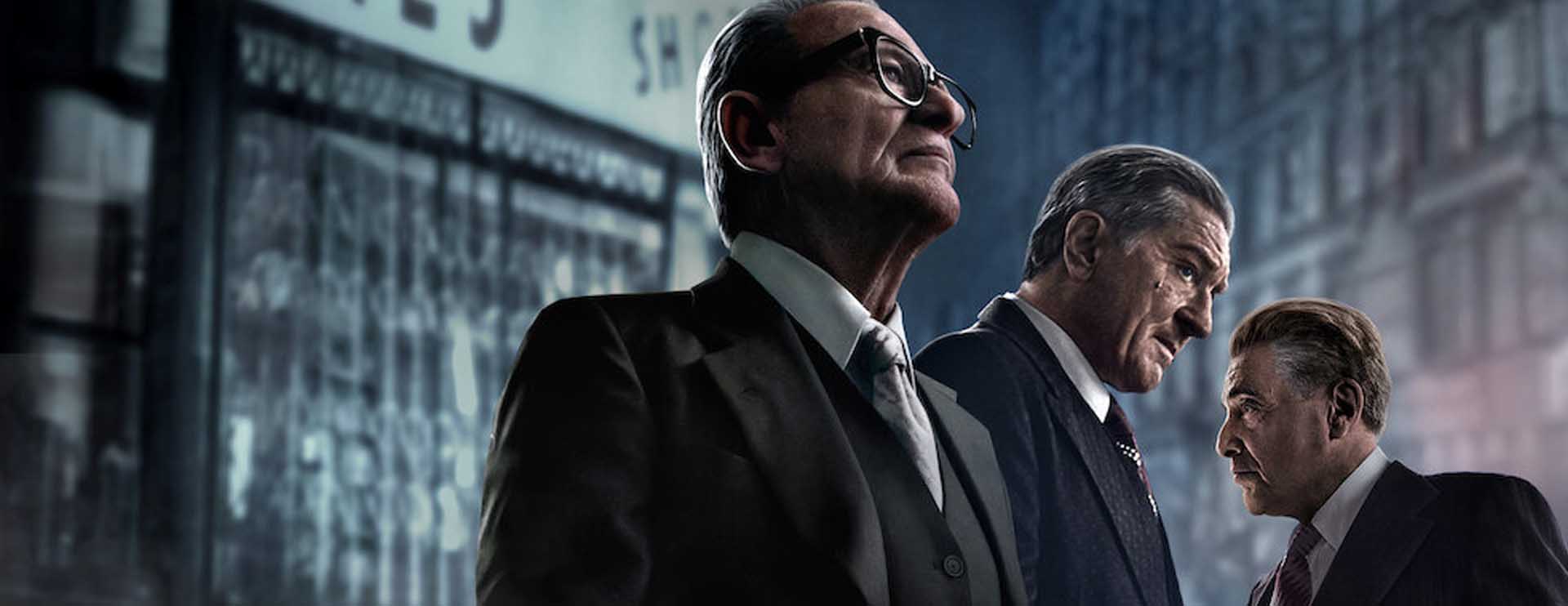
A few years ago, Martin Scorsese couldn’t get The Irishman made. Despite being one of cinema’s most celebrated directors, traditional studios viewed the project as too risky. Netflix disagreed. That decision perfectly illustrates how streaming has reshaped filmmaking. As Hollywood became increasingly focused on franchises and proven formulas, platforms like Netflix, Amazon and Apple began backing ambitious projects from directors such as Scorsese, Alfonso Cuarón and David Fincher, often with greater creative freedom than traditional studios were willing to offer.
Successful examples include Mank (2020), Roma (2018), Killers of the Flower Moon (2023) & Pinocchio (2022).
Geography Doesn’t Matter
One of the genuinely exciting consequences of streaming is that audiences can discover stories they would never have encountered twenty years ago.
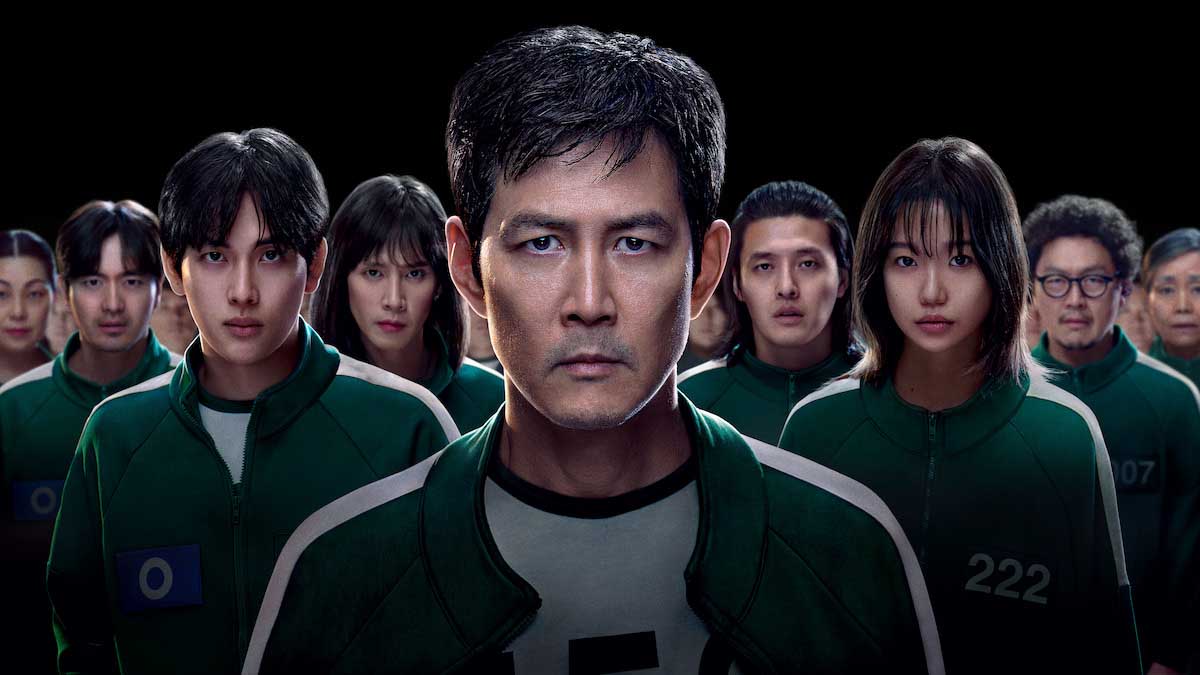
Take Squid Game.
A Korean-language series became Netflix’s most-watched programme globally. Not because viewers suddenly became more adventurous, but because the barriers disappeared.
For decades, international films often struggled to travel. Distribution deals, limited screenings and language barriers kept many stories trapped within their home territories.
Streaming changed that overnight. Korean dramas, Spanish thrillers, French crime series and Indian epics can now find global audiences in a way that would have been almost impossible under traditional distribution models. Furthermore, using a VeePN service allows you to access international variations of Netflix, opening the door further to world cinema & content.
The Rise of the Algorithm
Here’s where things get interesting.
Traditionally, films were greenlit because a producer, executive or studio head believed in them. Sometimes that worked brilliantly. Sometimes it produced expensive disasters. However, today, decisions are increasingly informed by data.
Platforms know what viewers watch, when they watch it, what they abandon halfway through, and what persuades them to stay subscribed. This means commissioning decisions can be based on actual audience behaviour rather than instinct alone. Metrics such as viewer analytics, genre performance data, retention scores and completion rates and global appeal metrics are a key determinant of what gets made.
But this approach raises a difficult question. If algorithms know what people liked yesterday, can they identify what people will love tomorrow? Most truly original ideas look risky before they look obvious.
Audiences Have Changed Faster Than the Industry
Perhaps the most important shift isn’t happening in boardrooms or production offices; it’s happening in living rooms.
According to Nielsen, the average American streams content for more than 3.2 hours per day. Those numbers matter because viewing habits eventually shape production decisions.
When hundreds of millions of people choose convenience over tradition, industries adapt.
The Great Irony
For years, streaming platforms positioned themselves as the alternative to traditional Hollywood. Their business model aimed to cut out the exhibitors, by owning the method of exhibition. The benefits seemed obvious too. Why rely on cinemas when audiences could watch instantly at home? Why wait months for a theatrical window when you could release globally with the click of a button? Yet recent developments suggest the pendulum may be swinging back.
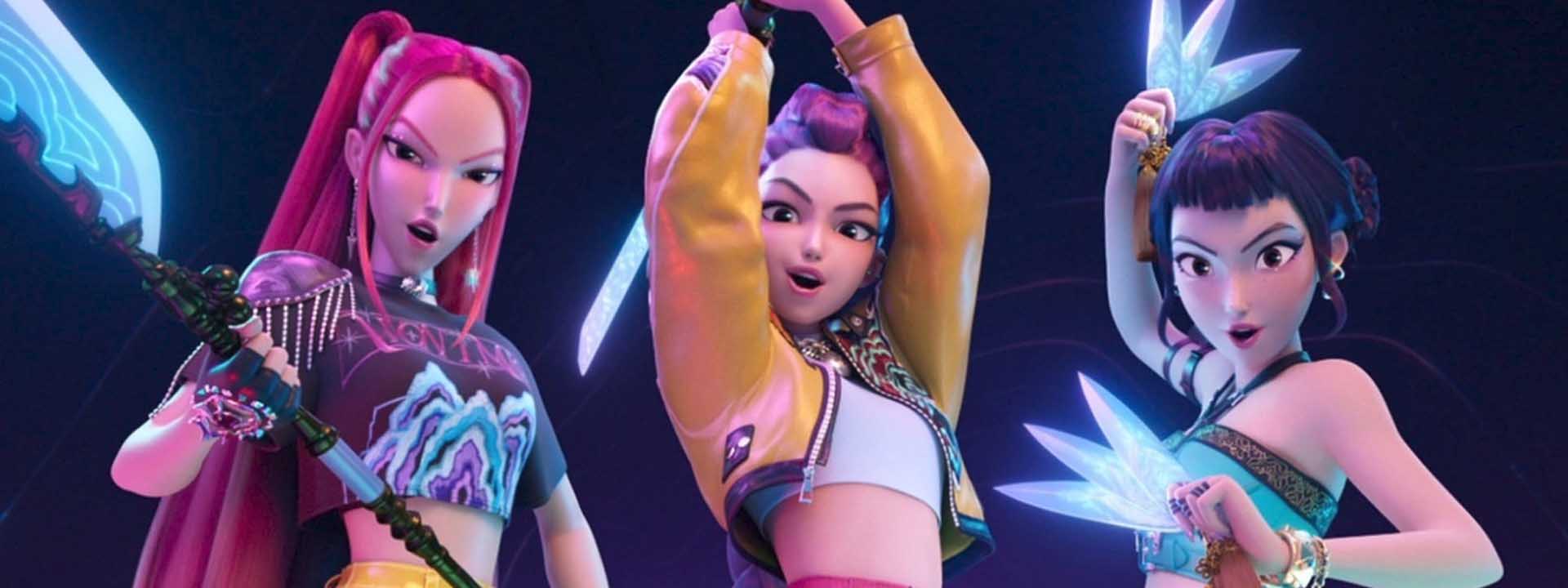
Netflix’s surprise box-office success with K-Pop Demon Hunters demonstrated that theatrical releases can generate significant additional revenue and cultural momentum, even for projects that began life as streaming-first content. The film became Netflix’s first genuine box-office success story, proving that audiences will still pay for a cinema experience when the event feels special enough.
Meanwhile, Greta Gerwig’s upcoming adaptation of Narnia is set to receive the most significant theatrical rollout in Netflix’s history, including a lengthy cinema window before arriving on the platform. Just a few years ago, such a release strategy would have seemed completely at odds with Netflix’s philosophy.
The interesting twist is that the streaming giants have gradually discovered that cinemas still create something streaming can’t easily replicate, cultural events. A theatrical release generates headlines, reviews, social conversation, prestige, awards momentum and, of course, an entirely separate revenue stream. In other words, they’ve slowly rediscovered many of the reasons traditional studios used cinemas in the first place.
Perhaps the future isn’t a battle between streaming and cinema after all. Perhaps we’re watching the emergence of a new hybrid model, one where the biggest films still enjoy a theatrical moment before finding their long-term home online. In trying to reinvent Hollywood, the streamers may have accidentally rediscovered why Hollywood worked in the first place.
And, finally…
Despite the general feeling, streaming hasn’t killed cinema. In fact, Gen Z are reportedly propping up the cinema going experience. Streaming didn’t destroy filmmaking. And it certainly didn’t eliminate the audience’s appetite for great stories. But, to an extent, it did rewrite the rules.
It changed how projects are financed. How films are discovered. How success is measured. How audiences behave. And perhaps most importantly, it changed who gets access to stories in the first place.
The technology will continue to evolve, and we as audiences will continue to be the benefactors of some amazing stories. Fingers crossed, it seems cinema is safe and making a comeback.