


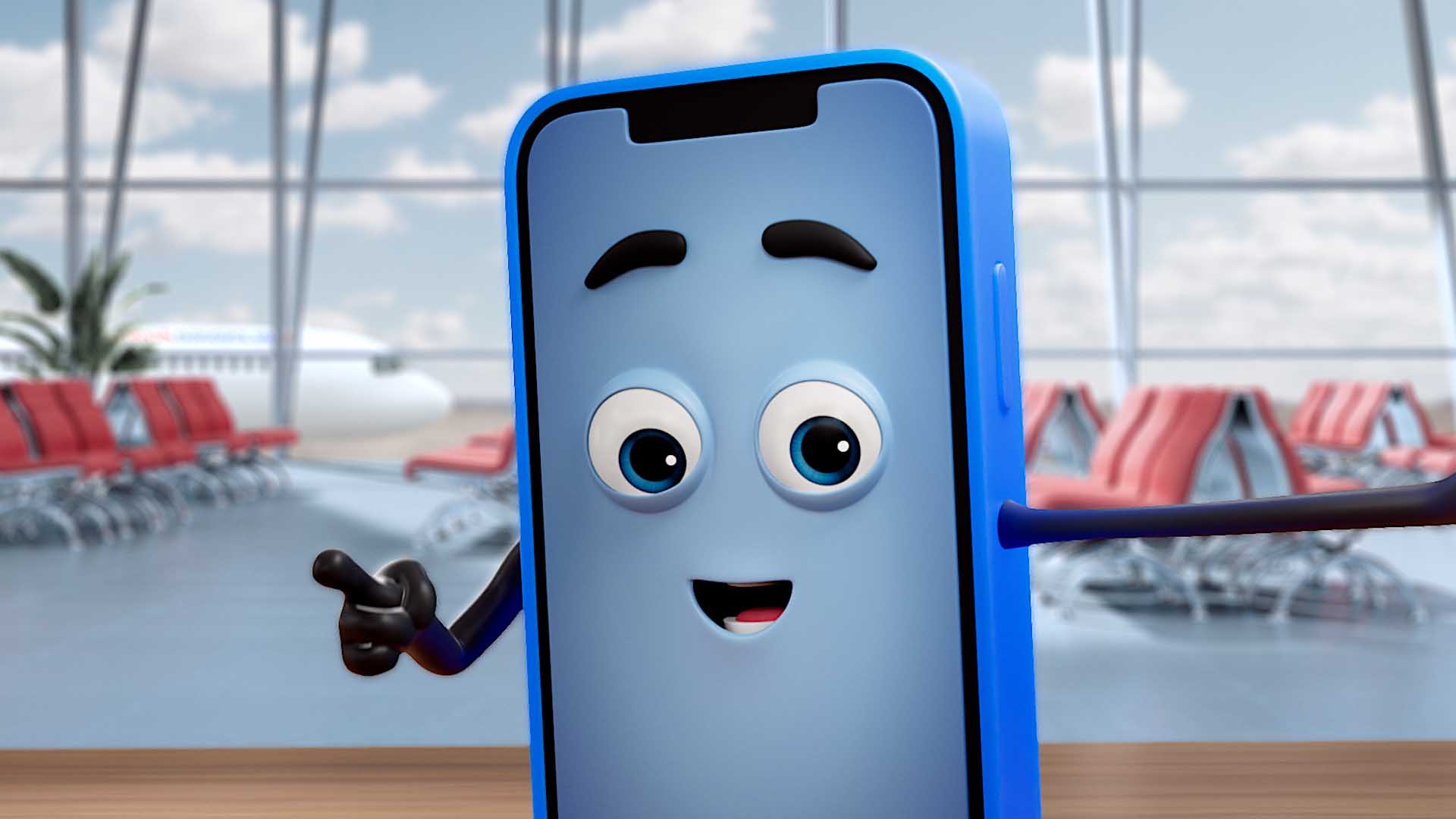
What Is Character Animation? (and why brands love it)
Intro

How Animated Characters Are Created
The role of a character animator has often been compared to that of an actor.
In fact, animators are sometimes referred to as “actors with a pencil”.
Just like a performer on stage or screen, animators bring a character to life by thinking about how that character moves, reacts and expresses emotion.
They must ask questions like:
- How confident is this character?
- How quickly do they move?
- How expressive is their face?
- How exaggerated should their reactions be?
These decisions shape how the audience perceives them.
Some of the key principles animators use to make characters feel believable include:
- facial expressions
- rhythm and pacing
- exaggeration
- timing
- movement and weight
- stretch and squash
- colour and visual contrast
Combined together, these techniques turn a static illustration into a character that audiences feel something towards.
Types of Character Animation
There are several different animation techniques used to create characters, each with its own style and strengths.
2D Character Animation
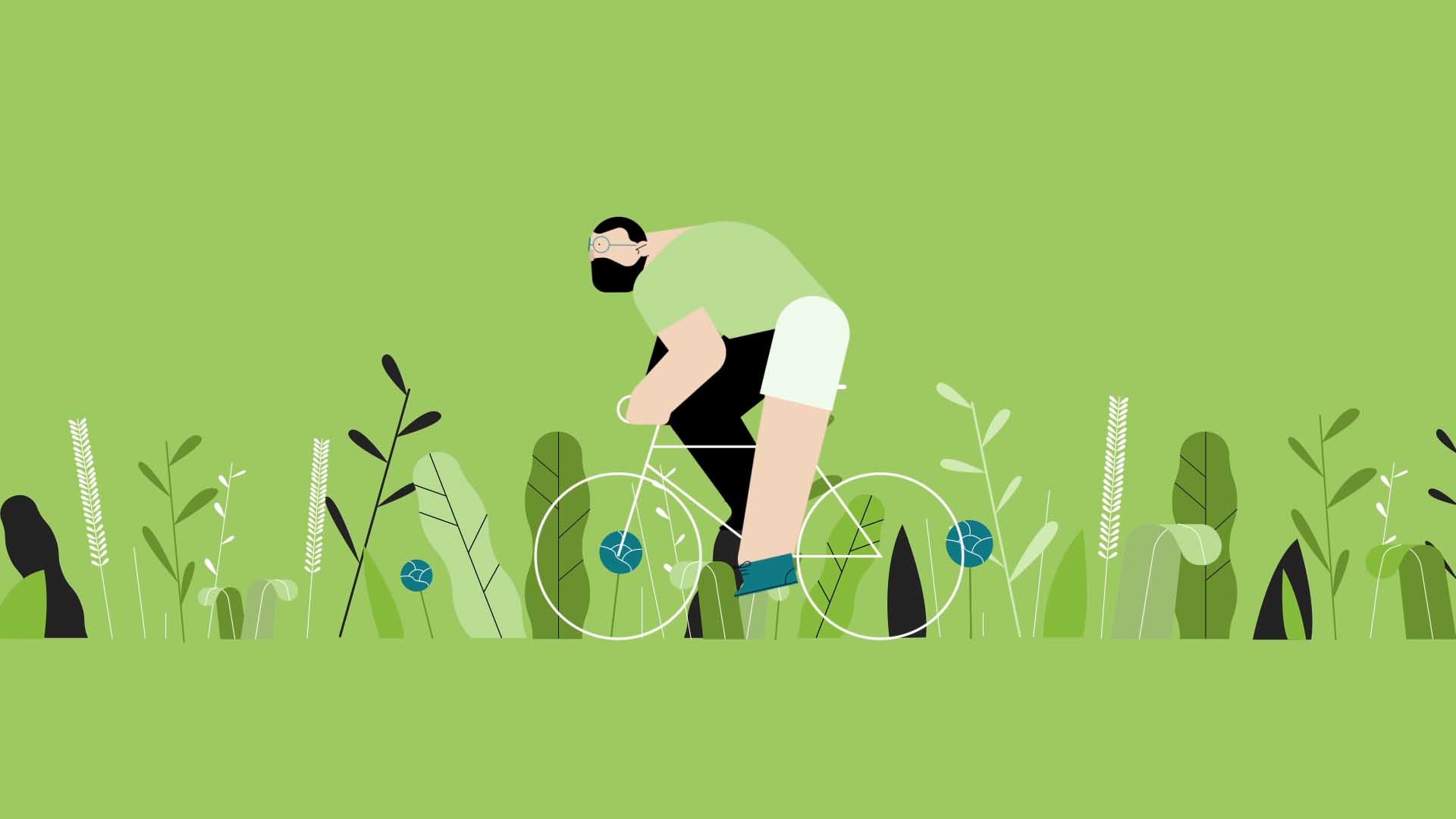
2D vector animation uses computer-generated shapes and rigged character systems to create movement.
It’s one of the most widely used formats for business animation, explainer videos and brand storytelling because it is:
- flexible
- scalable
- visually clean
- relatively efficient to produce
2D animation also makes it easier to adapt characters across different formats, platforms and campaigns.
After briefly falling out of fashion in the early 2000s, 2D animation has made a strong comeback, particularly in marketing and digital content.
3D Character Animation
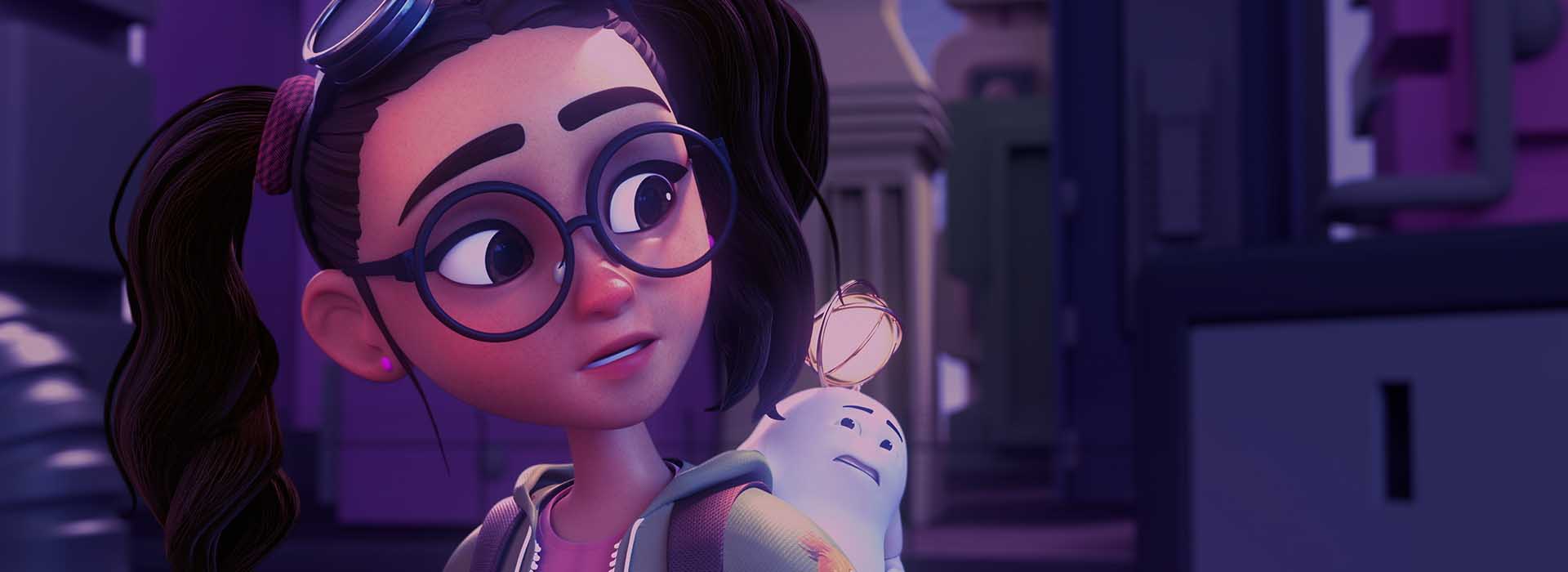
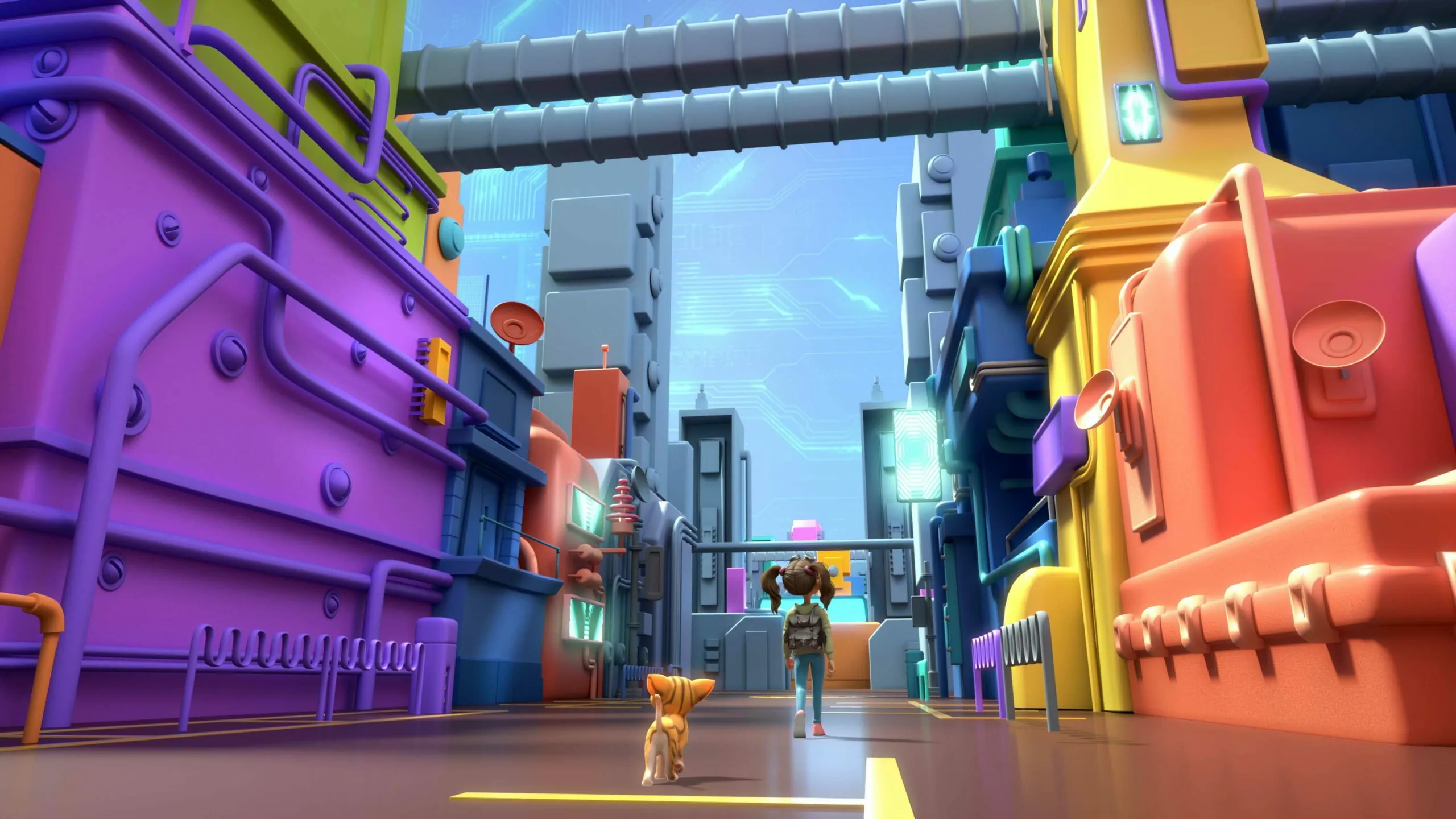
3D animation creates fully three-dimensional characters that can move within digital environments.
he process typically involves three stages:
- Modelling – building the character in 3D space
- Rigging and animation – creating movement and performance
- Rendering – producing the final image
3D characters feel more physical because audiences can see them from any angle and observe realistic lighting and textures.
Beyond film and television, 3D animation is widely used in:
- advertising
- product visualisation
- <architecture
- medical communication
- gaming
Stop Motion Character Animation
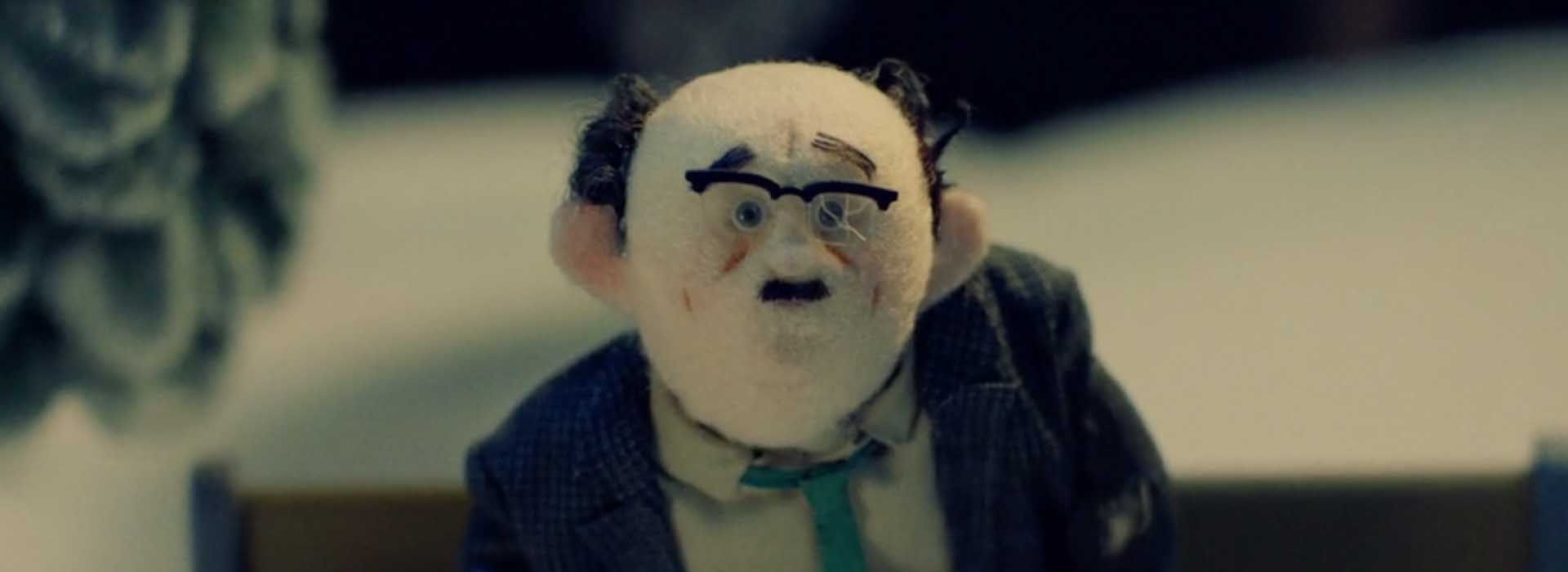
Stop motion animation involves physically moving objects or puppets frame by frame and photographing each movement.
When played back, these images create the illusion of continuous motion.
Although the first stop motion films appeared in the late 19th century, the technique is still used today in projects like Wallace & Gromit and Fantastic Mr Fox.
Because of its tactile, handcrafted look, stop motion often evokes nostalgia and charm, which can make it especially powerful in marketing.
Frame By Frame Character Animation
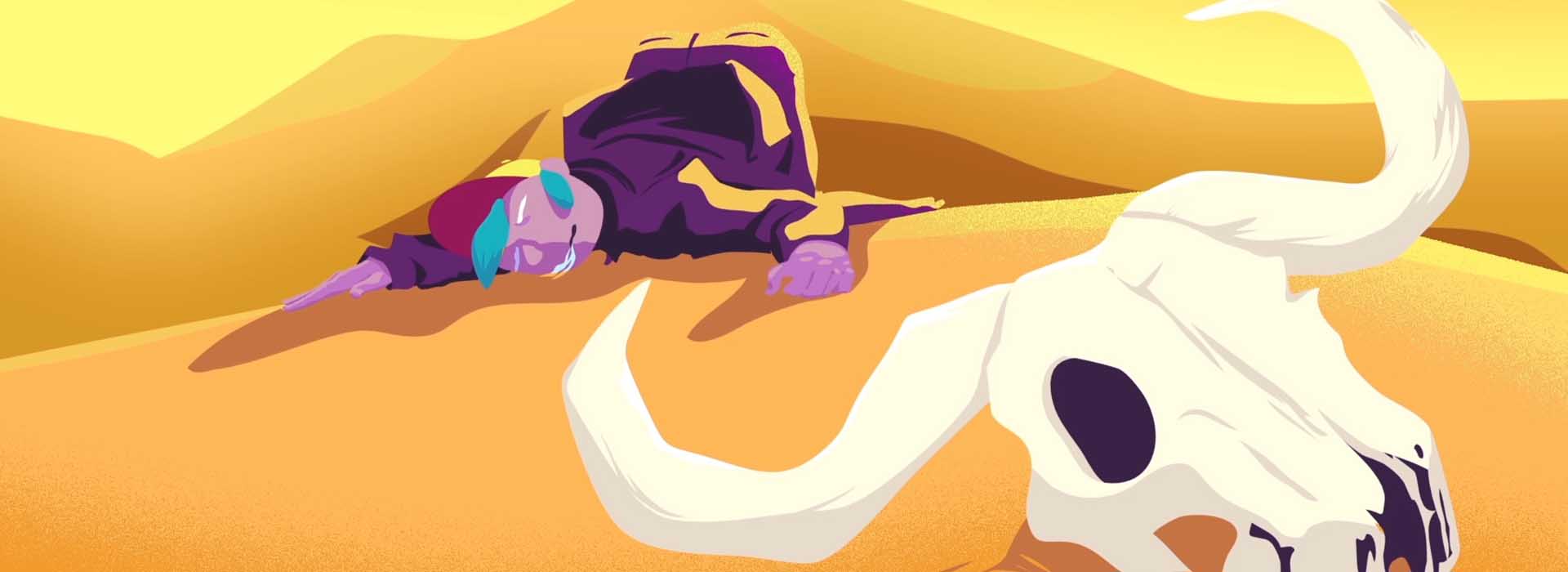
Traditional animation is the classic technique that built the animation industry.
Historically, every frame was drawn by hand before being photographed and played back in sequence. Early Disney films such as Snow White and the Seven Dwarfs were created this way, with up to 24 drawings needed for every second of animation.
Today, digital tools have streamlined the process, but the principles remain the same.
Traditional animation still offers a huge amount of flexibility and expressive character performance, which is why the style continues to inspire modern work.
Why Character Animation Works So Well for Business
Character animation offers something live action sometimes struggles to achieve: instant relatability combined with complete creative freedom.
A well-designed character can represent anyone, explain anything and appear in any environment imaginable.
That flexibility makes it an incredibly powerful communication tool.
Characters Humanise Your Brand
Corporate messaging can sometimes feel distant or overly polished.
Animated characters soften that tone.
They introduce personality, humour and warmth, helping audiences feel more comfortable engaging with the message.
They Simplify Complex Ideas
Many companies operate in complicated sectors such as finance, technology or healthcare.
Characters can guide audiences through complex information in a way that feels approachable and engaging.
Instead of overwhelming viewers with jargon, animation shows ideas visually.
They Create Long-Term Brand Assets
Unlike actors, animated characters belong entirely to the brand.
Once created, they can appear across multiple campaigns, evolve over time and become recognisable mascots.
The famous Compare the Meerkat campaign is a perfect example of how a single character can build long-term brand recognition.
They Encourage Engagement
People naturally connect with characters.
Whether humorous, charming or exaggerated, animated personalities capture attention in a crowded media environment.
This makes them highly effective for:
- Social media
- Internal communications
- Educational content
- Marketing campaigns
They Make Difficult Topics Easier to Approach
Animation is particularly valuable when addressing sensitive subjects.
In areas like healthcare, charity or education, characters can make serious information feel less intimidating and more accessible.
For younger audiences especially, animated storytelling can transform complicated or worrying subjects into something easier to understand.
The Psychology Behind Character Animation
Communication is about far more than words.
Psychologist Albert Mehrabian’s communication model suggests that a large proportion of meaning comes from body language and tone rather than language alone.
Animated characters allow creators to exaggerate these signals.
A character can move more expressively, react more dramatically and communicate emotions more clearly than a real person on screen.
That heightened emotional clarity helps audiences stay engaged and retain information.
Final Thoughts
Character animation has come a long way since the early days of hand-drawn cartoons.
What was once seen purely as entertainment has evolved into a powerful storytelling tool used across industries.
For brands, it offers something unique: the ability to communicate complex ideas with personality, clarity and creativity.
As video continues to dominate digital communication, animated characters are becoming an increasingly valuable part of the content toolkit.
And when done well, they don’t just explain ideas.
They make audiences care about them.
The Current | Making A 3D Animated Epic
An exploration of our 3D animated epic, The Current.